01/08/2025

Via privata Molina 80/7 – 80/9, Vignate (MI)

02 95361055

info@fitex.it

Sewing machine lamps are designed to provide optimal lighting to improve visibility for the operator so that he or she can work as accurately as possible. The combination of a stable base, a flexible arm, an efficient lamp holder, and a suitable bulb, often with additional features to improve usability, makes this a must-have tool for anyone who regularly works with a sewing machine. The choice of durable materials and the ability to adjust the light intensity add further value to the accessory, ensuring that it succeeds in meeting different operational needs and user preferences.
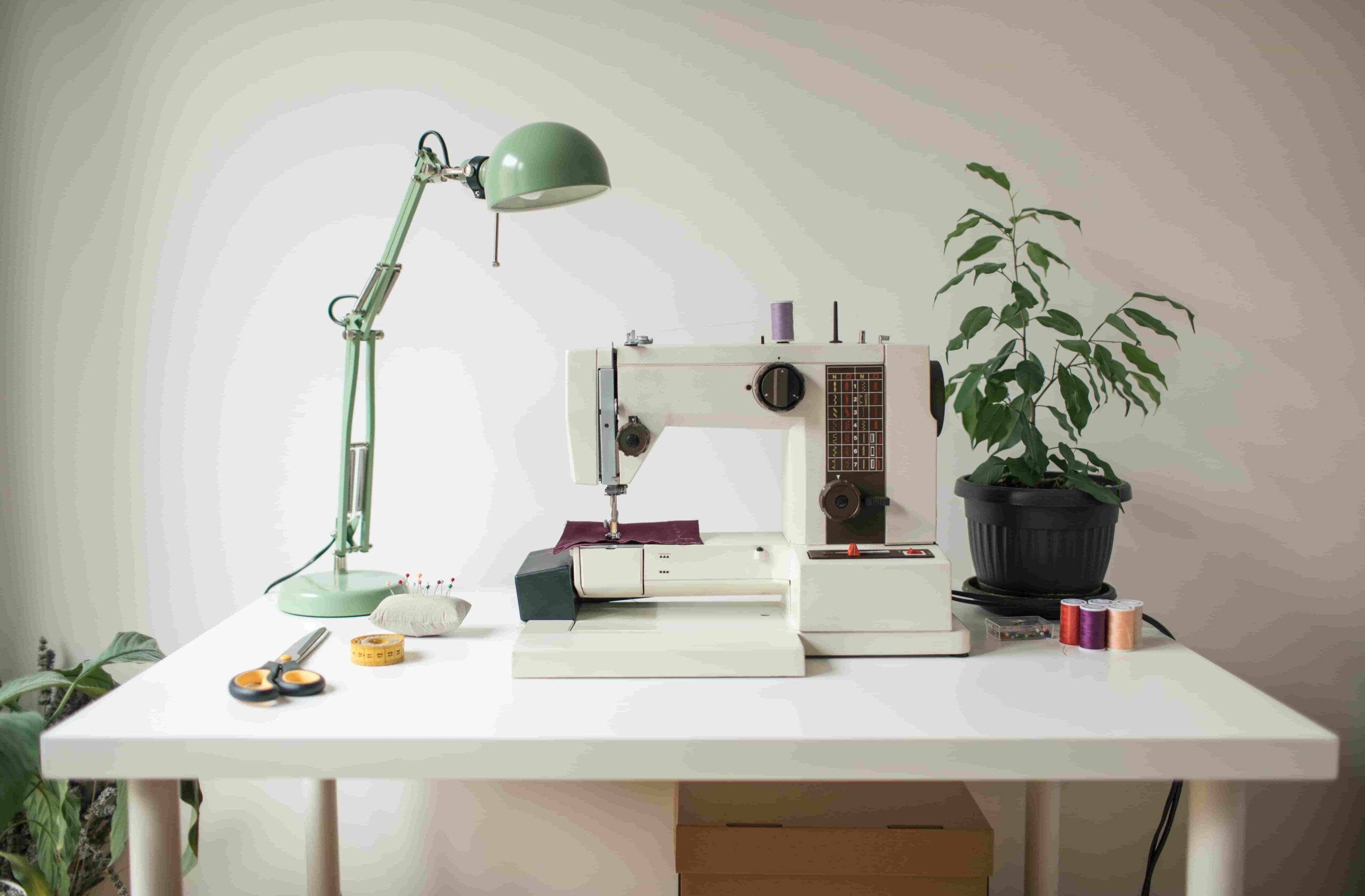
Functional, versatile and adaptable, in a sewing machine the lamp is an indispensable component, specifically designed to improve visibility and accuracy during sewing operations.
Generally, the lamp is designed to be compact, durable and easy to assemble, adapting easily to various sewing machine models. The structure consists of a few main parts: the base, flexible or adjustable arm, lamp holder and bulb, enhanced by the presence of a cover or diffuser designed to improve light distribution.
The lamp base must be stable and easy to secure to the machine or work surface. Depending on the model, it may include an adjustable clamp or a magnetic base, so as to ensure secure installation. Some modern lamps can also be fitted with adhesives or suction cups for temporary but effective and stable positioning.
The lamp’s arm, which connects the base to the lamp holder, is often flexible or jointed, allowing the operator the ability to direct the light to the points of greatest interest. The arm is generally made of sturdy materials, such as rubber-coated metal or reinforced plastic, to withstand frequent use and continuous adjustment without ever losing its rigidity or ability to hold position.
The lamp holder is the part designated to house the bulb and often includes a reflector or diffuser to concentrate or evenly distribute light. The bulbs used in sewing machine lamps are predominantly LED or halogen. LED bulbs are highly valued for their energy efficiency, long life and low heat emission, features that make them ideal for prolonged sewing sessions. In contrast, halogen bulbs offer a warmer, brighter light, with the downside of higher energy consumption and increased heat generation.
Some more modern models of sewing machine lamps may also include additional features, such as the presence of a dimmer to adjust light intensity or a touch switch for easy on/off switching. In addition, more advanced lamps can be powered through USB, facilitating a direct connection to the machine if it has a USB port, or through the aid of a rechargeable battery (power bank) for greater mobility.
The lamp cover or diffuser, often made of clear or semi-transparent plastic, helps spread light evenly over the work area, reducing glare and shadows. This is especially useful during detailed sewing work or when working with dark or thick fabrics, where clear visibility is critical to maximize accuracy.
There are different types of sewing machine lamps to meet specific lighting and functional needs.
LED lamps are popular for their energy efficiency, long life and low heat emission, providing bright light and clear visibility that make them preferable for precision work. Halogen lamps, although they consume more energy and generate more heat, provide a warm, bright light that simulates a more natural light source. Fluorescent lamps, which are less common today but still in use, provide a diffuse and even light, while incandescent lamps, which are now rare, provide a warm but energy inefficient light and heat up considerably.
Should you need to direct the light to a point of particular utility, there are lamps with flexible or articulated arms, which are very versatile and adaptable in any context and on any model of machine. For temporary or repositionable solutions, on the other hand, there are magnetic lamps on the market, equipped with bases that easily attach to the metal surface of the machine. A similar variant is clamp lamps: stable and easily adjustable, they attach directly to the machine or work surface.
More recent models include rechargeable lamps (powered by a USB port) that eliminate the presence of a wire and further refine the concepts of mobility and versatility.
We have so far dealt with lamps understood as external accessories. Of course, there are many mid- to high-end sewing machine models on the market with built-in lamps, specifically designed to provide optimal lighting without the need for additional components.
The choice of lamp may depend on the specific needs of the user, the type of work being done, and personal preferences, a combination of factors in which to evaluate the degree of compatibility with the machine, the desired light quality, energy efficiency, and versatility of the accessory in order to achieve a comfortable and productive sewing experience.
If you are looking for a quality lamp for your sewing machine, don’t hesitate to contact Fitex, a company that has specialized for nearly half a century in the trade and production of spare parts, mechanical parts, accessories and complex solutions for the textile industry.
Backed by experience gained over many decades and an assorted warehouse that can boast more than 50 thousand parts, we are able to guarantee you all the specialized assistance you need and prompt shipment of your order.
Andrea Ferroli
Nadia Leonarduzzi


Every day, a promotion on an item we have in stock: join our mailing list and take advantage of the benefits!
Already know which item you need?
Order it directly from our app, available for Android and iOS.